
ORIGIN AND FORMATION

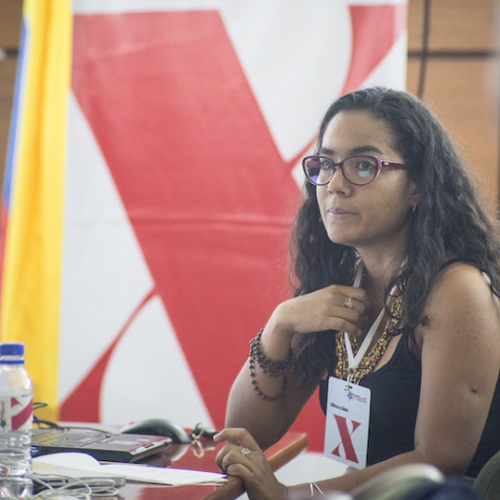

I grew up in a family deeply connected with culture, art, and knowledge. And that has always been something that marked my professional path, my vocation, my tastes and my affinities. At home we spoke of books, politics, music, poetry.
My father Jaime was a lawyer for social causes, and he always carried a camera with him; he loved photography, he documented what he saw, people, streets. I think from there comes my idea that an image builds memory.
My mother Gloria was a teacher for many years, and watching her prepare her classes, having patience with her students, taught me the value of education.
Since I was a child, I loved to observe.
To look, and then look again.
At school I was very dedicated; I loved reading, art, history and geography. I received the award for best graduate thanks to my ICFES score, and I chose Social Communication because I felt that there I could bring everything together: words, gazes, and stories.
My first love was photography.
With the camera, I learned to look differently, to understand that looking is also a way of relating to others.
Through photography, I found my way to cinema. That blend between what is fixed (space) and what moves (time) became a creative path. And that is where everything began: my relationship with images, with teaching, with writing.
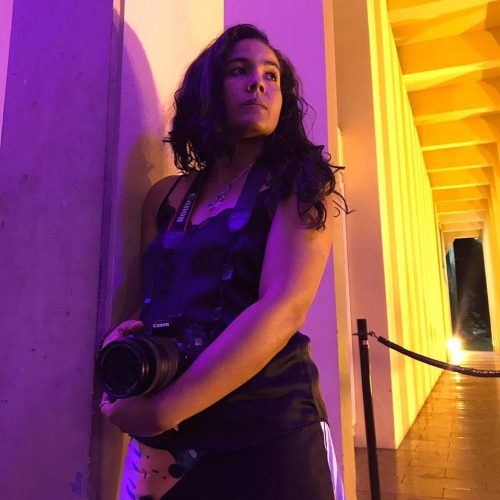
Everything I experienced from a young age —the conversations at home, the films I watched on Sundays, my mother’s notebooks, my father’s camera— kept pushing me in the same direction: understanding the world through art. That was, and still is, my compass.
MY TIME AT Contravía Films
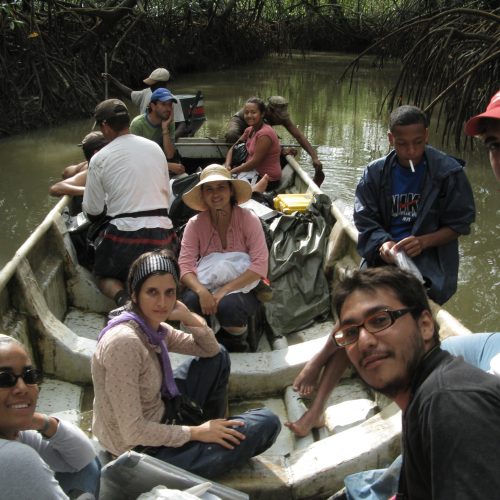
Toward the end of university, my path as a producer began. I wanted to make things for the big screen and I told myself that I wanted to be behind the camera. I always wanted to know how stories are built from the idea to the screen.
At that time, we came together with three other university colleagues—Oscar Ruiz, Marcela Gómez, and William Vega—and we co-founded Contravía Films, a company where I spent ten years. We were a group eager to make cinema with a poetic vision.
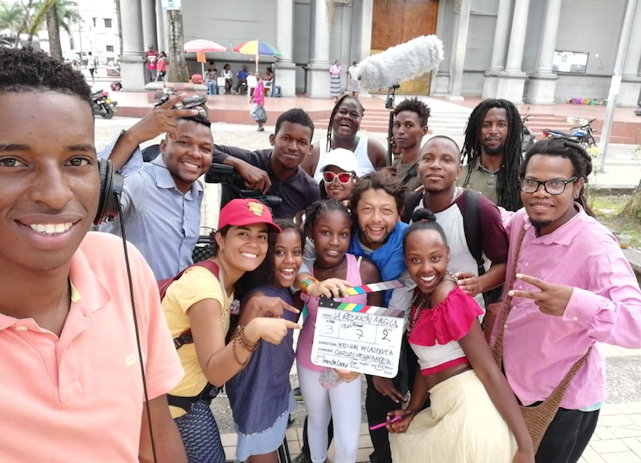
From Contravía we made films that today are part of the history of Colombian cinema: El vuelco del cangrejo ), La sirga), Los hongos , Siembra
Each one was a different adventure, a school in itself. Those were times when producing a film was almost a feat, and yet we did it with enormous faith that cinema could also be a way to make country. I remember the trips, the impossible shoots, the sleepless nights looking for resources or closing budgets, the excitement of seeing our films arrive at international festivals.
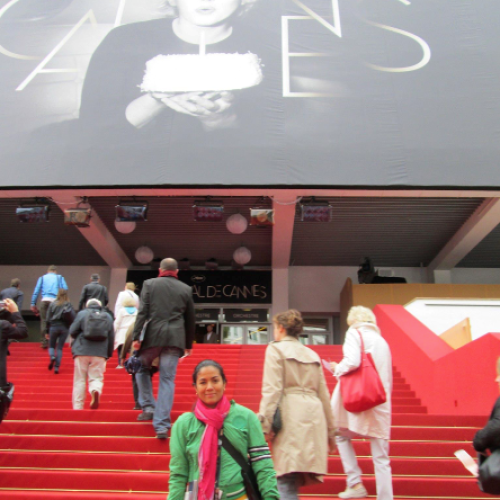
El vuelco del cangrejo was in Berlin, La sirga was in Cannes, Los hongos won at Locarno. In each of those steps I understood that Colombian cinema could dialogue with the world without losing its roots.
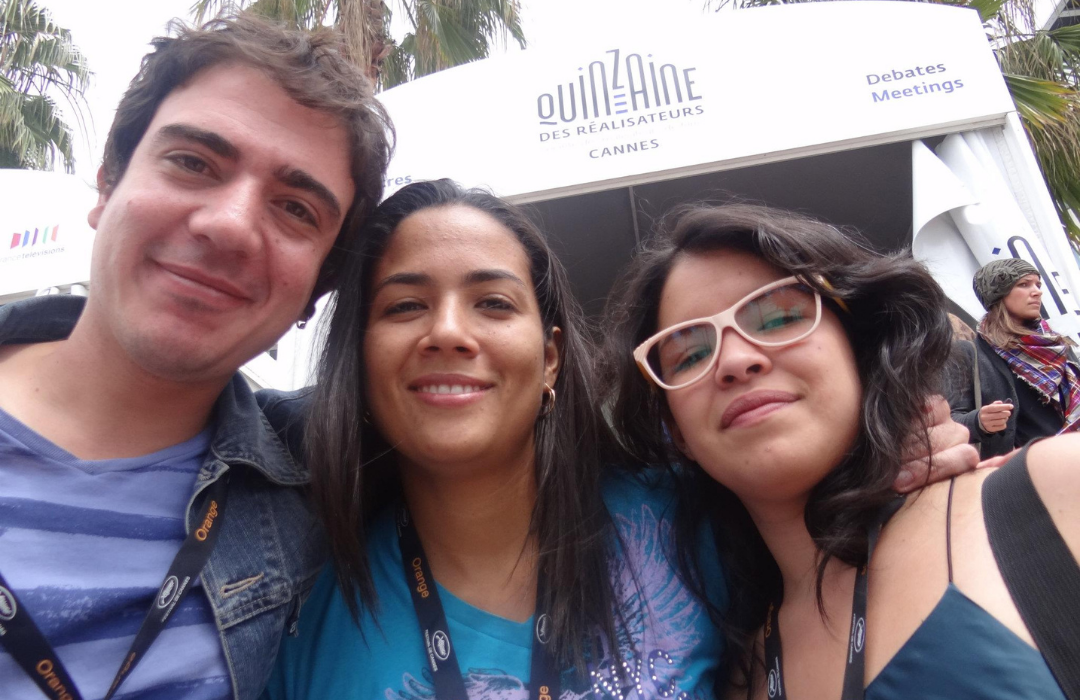
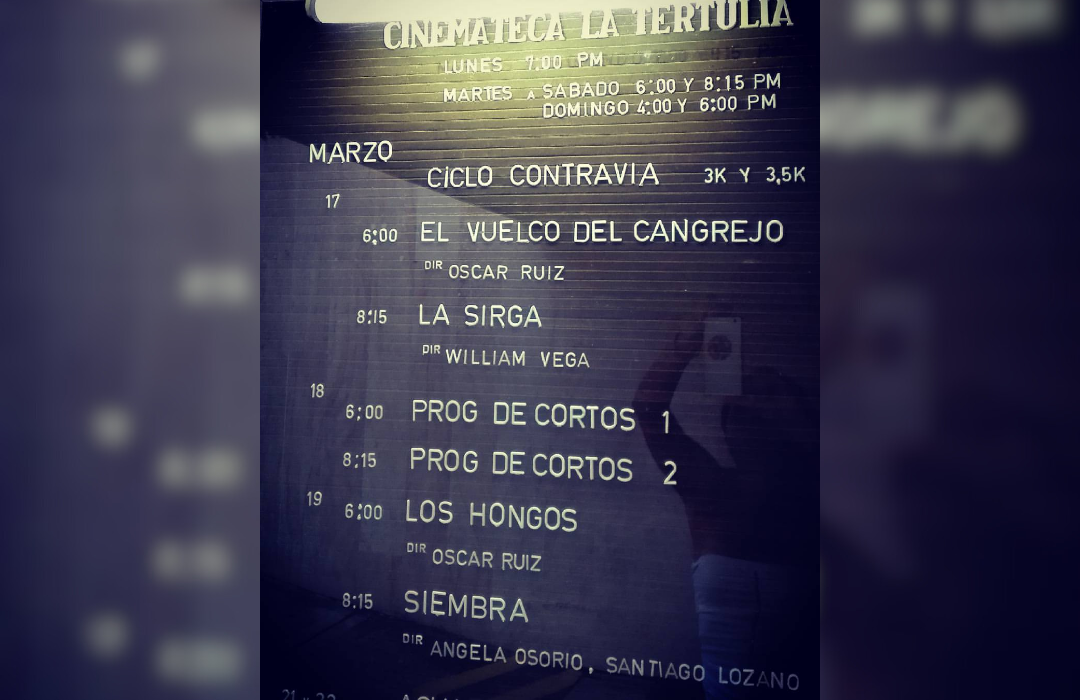
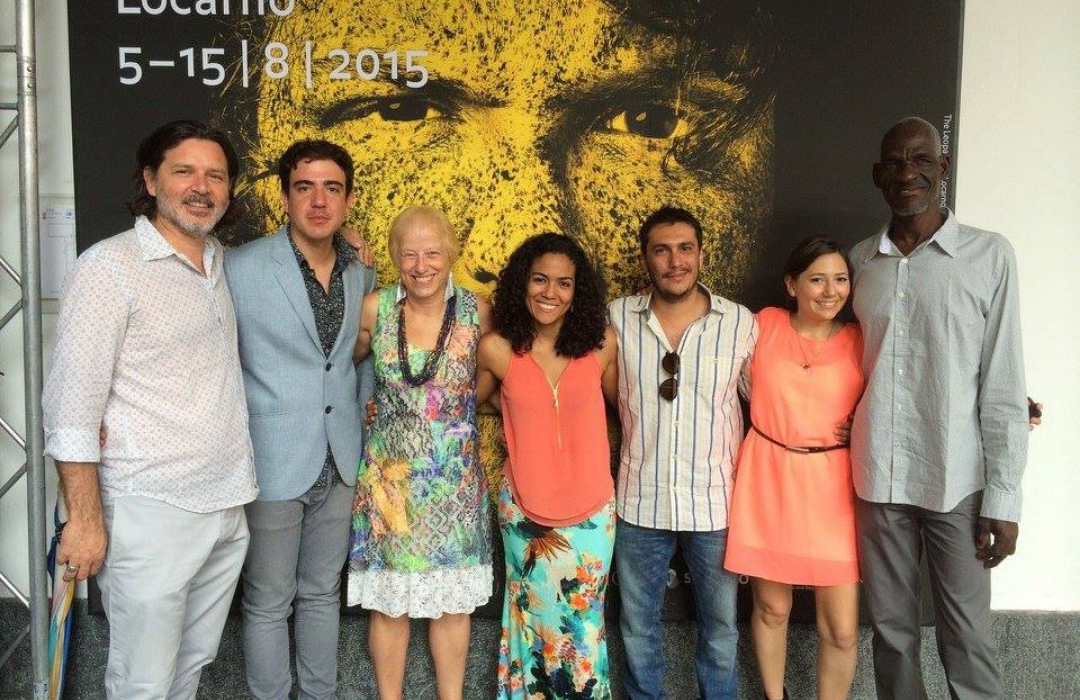
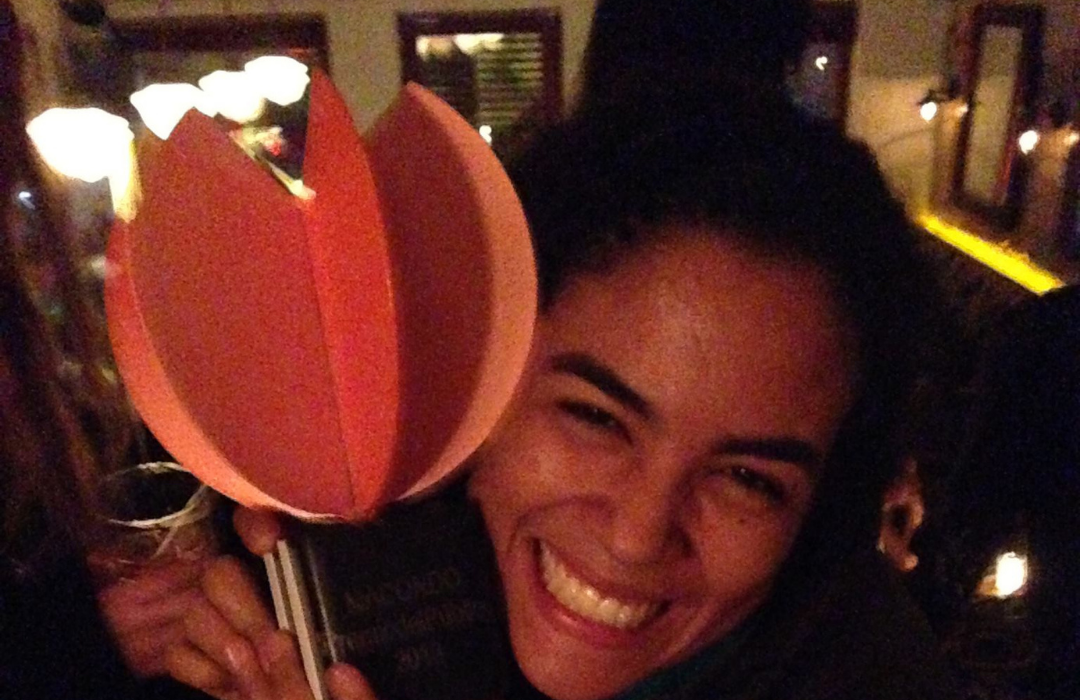
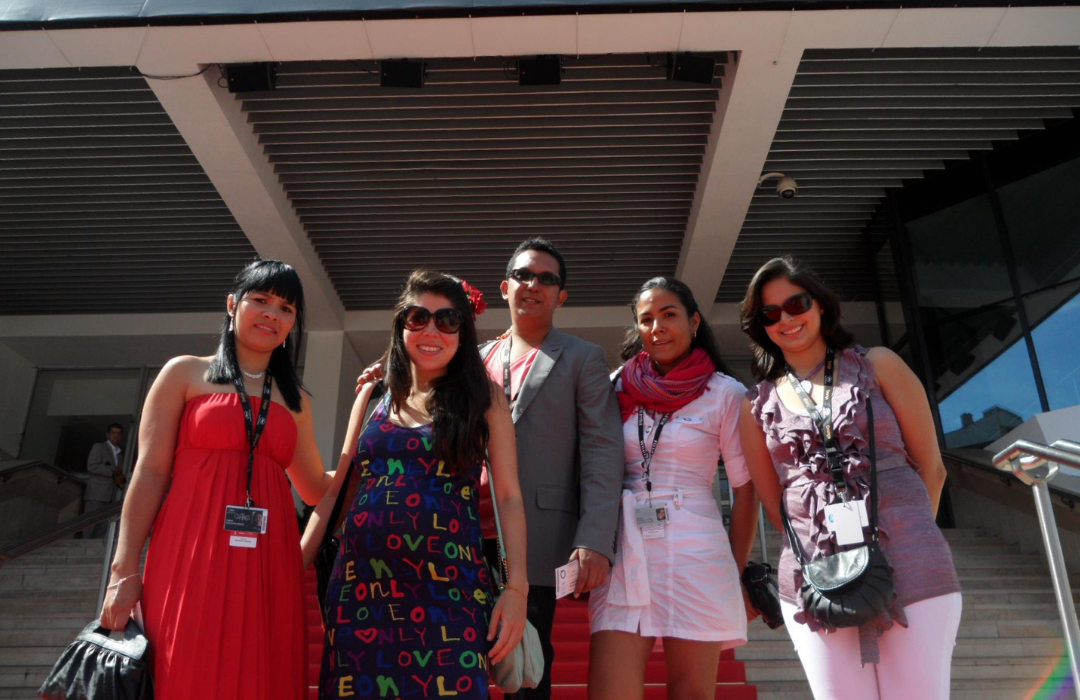
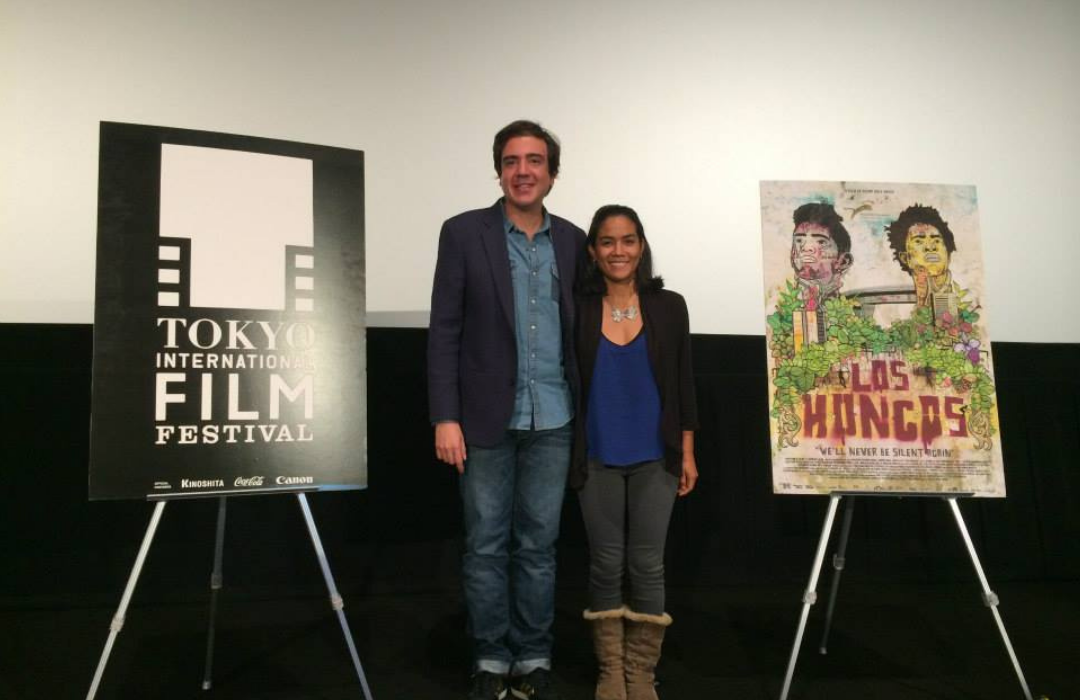
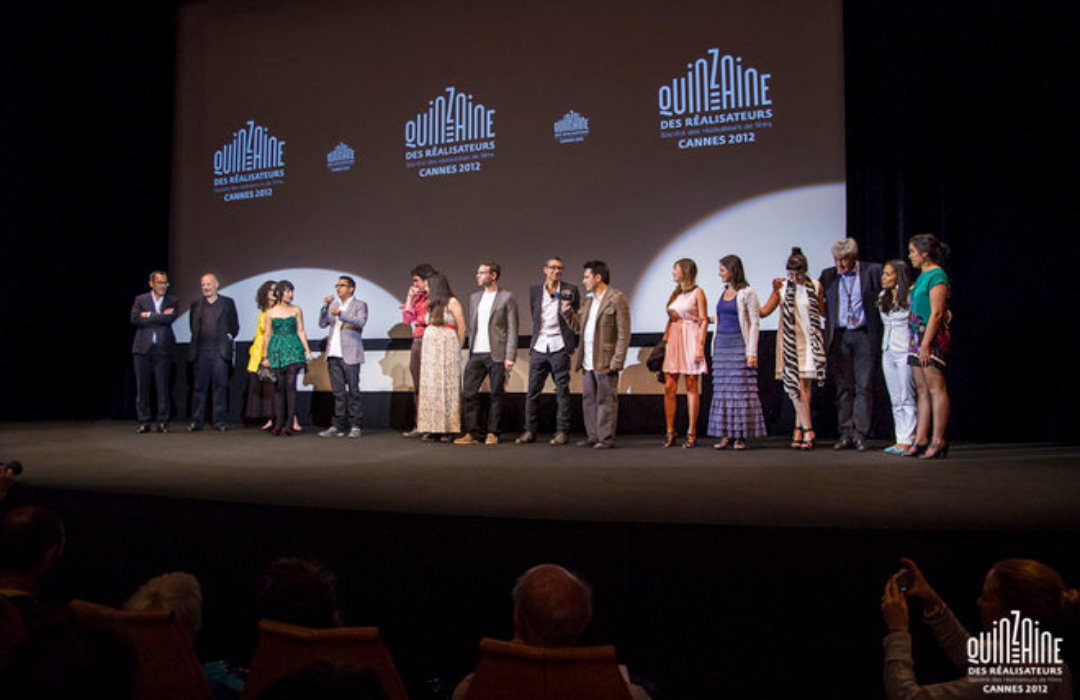
Those were times when making a film was almost a feat, and yet we did it with a profound belief that cinema could also be a way of shaping a country.
I remember the trips, the impossible shoots, the sleepless nights looking for resources or closing budgets, the thrill of seeing our films reach international festivals. Crab Trap was at Berlin, La Sirga was at Cannes, Los Hongos won in Locarno. With each of those steps, I understood that Colombian cinema could have a dialogue with the world without losing its roots.
The school of production
I learned about production, teamwork, crises, and the value of perseverance. Making cinema in Colombia was, and still is, an act of resistance, and during those years I understood that producing is also about caring for a story, for a memory.
Those ten years gave me the certainty that cinema is not made only with cameras and scripts, but with conviction. That behind every film there is a network of people, affections, and beliefs that sustain it. And that my place, from then on, would be this: to accompany stories so they can find their form, their path, and their voice.
TEACHING AND RESEARCH
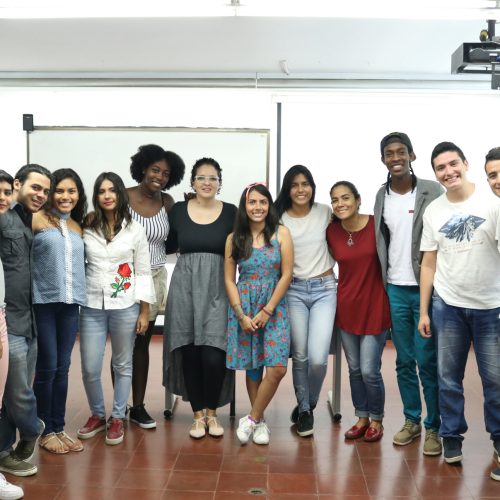
I have been a person with many interests, and two of them have embraced me deeply—teaching and research.
I have always felt that teaching is also another way to systematize my path as a producer and to share knowledge mutually with my students. Accompanying teaching processes has been fundamental for me—to always be visiting the history of cinema, thinking methodologies for research-creation, and feeding myself with how cinema is changing and creating new ways of being made and consumed.
I also had the opportunity to approach community video and creative processes in territories. I worked with Afro communities, with women, with young people who used the camera to narrate themselves, to reconstruct what had been taken from them. I saw firsthand how an image can dignify, how it becomes mirror and tool.
Being a teacher in those spaces was enormous learning—teaching people to look is also learning to look again.
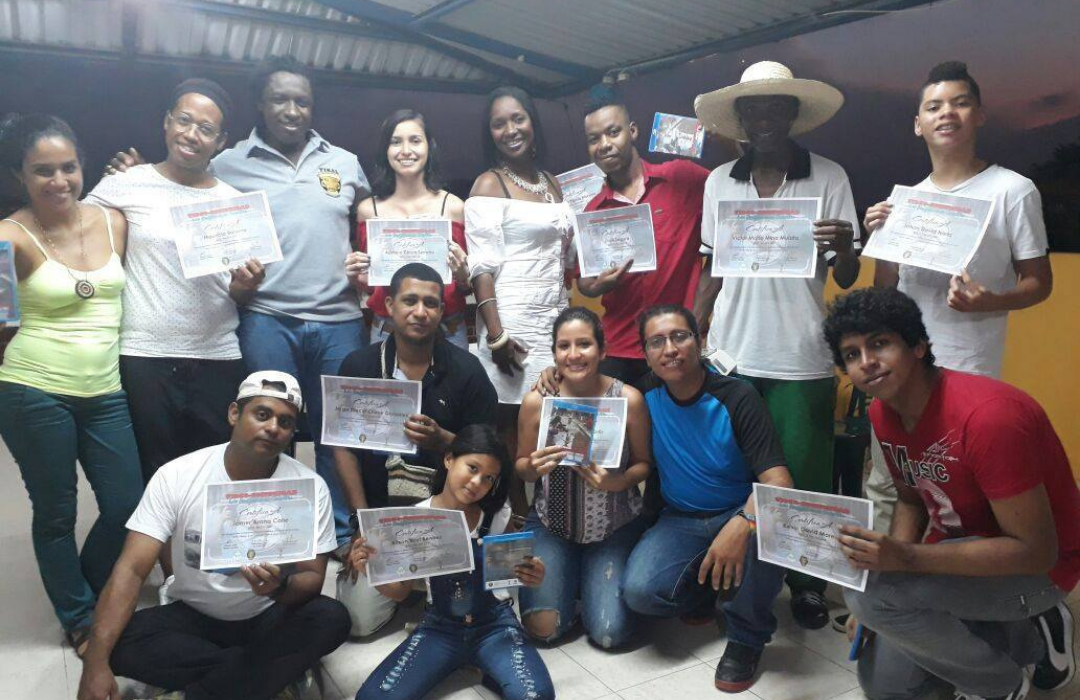
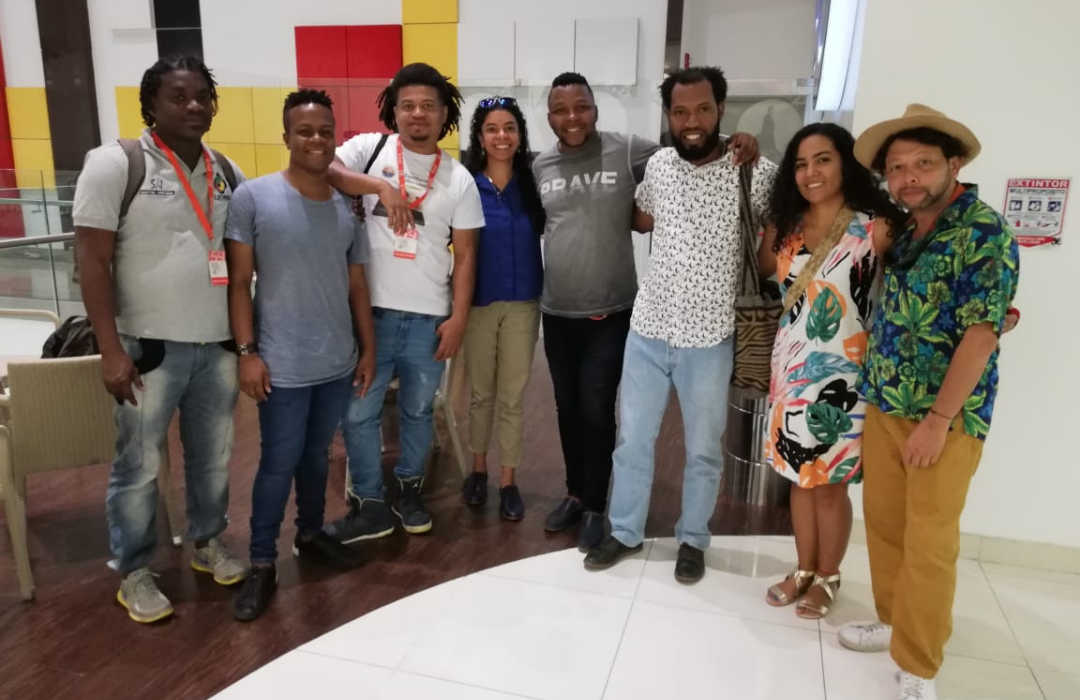
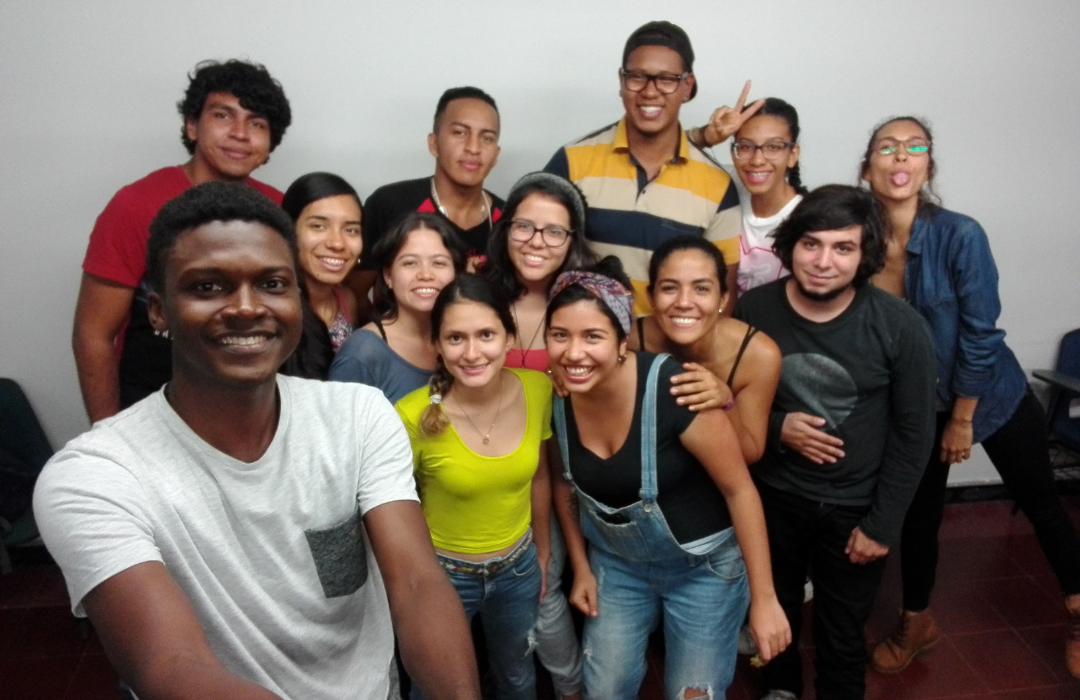
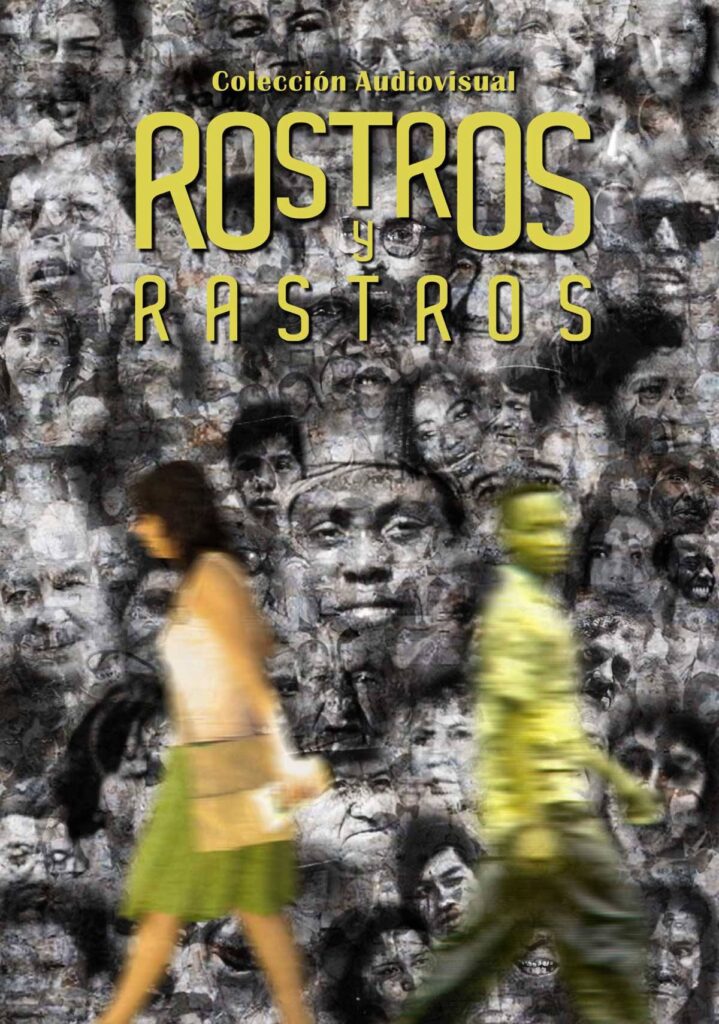
In parallel, I developed a project on an audiovisual archive—the Rostros y Rastros (Faces and Traces) project, alongside Camilo Aguilera—research on archival management and the importance of images for the future. That work opened another door for me—thinking cinema not just as a finished work, but as living memory, as something we must keep active for generations to come.
That stage was of much learning about the patrimonial, about programmed obsolescence in which we live, and about the importance of looking to the past. Thinking about archives of the future made me understand that what we film today is not just present, it is also document, history, identity. Caring for those archives is having been caretakers of those legacies for the future.
And I believe that part of my path—researching, accompanying, sharing—became a bridge between my work as a producer and my gaze as a feminist, although I didn’t know it yet. Because behind every image there is always a question about who tells it, from where they tell it, and for whom they tell it. And there, just there, another stage of my story began to be born.
CINEMA AND FEMINISM
In 2016, I was presented with the opportunity to direct a documentary for a television series, and this experience became the detonator of my path as a feminist filmmaker.
It was the first time I directed a project and the question came to me: Why haven’t I done this before? And answering that made me realize how I had been reproducing patriarchy—occupying the place others gave me and where I felt comfortable despite my abilities and passion for audiovisual production.
I discovered that directing was beautiful and frightening at the same time, because you take a step forward, you are not the support of others, you are the spearhead and you are the one in whom you must trust most.
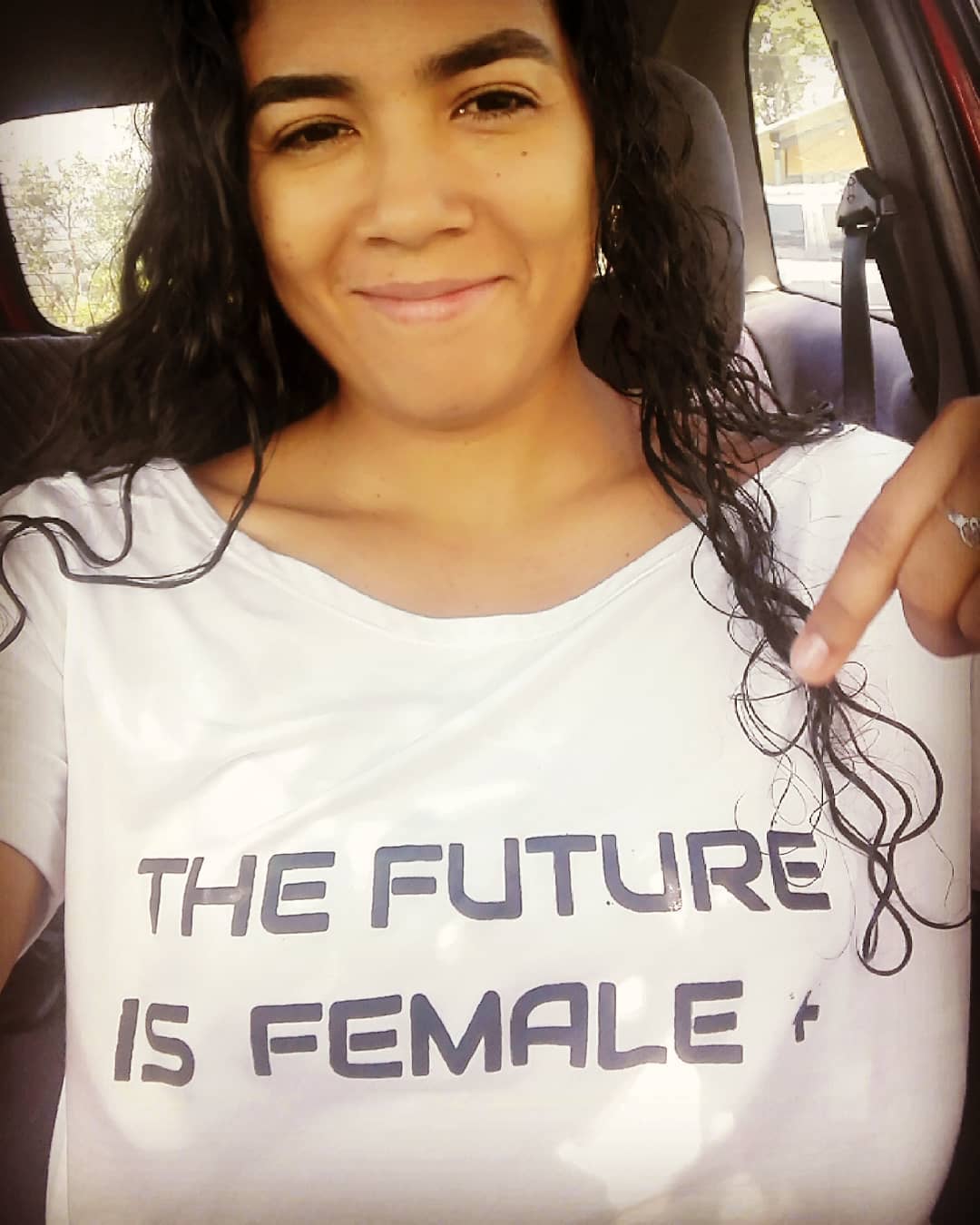
This experience gave birth to my autobiographical documentary Entre Vientres (Between Wombs), which also happened at a moment when I was going through very deep personal processes in relation to my body and feminine energy.
I walked through self-knowledge processes, women’s circles, rituals and ancestral ceremonies, which to this day are part of my lifestyle. In those activities I met mentors who have accompanied me to strengthen the relationship I have with the creative.
I began to read many female authors, to watch more films directed by women, to connect with projects by female filmmakers from around the world like #MeToo and the Cine en Femenino Festival.
So something changed—my way of looking at cinema—that creating can also be a way to heal, and that women need spaces where we feel safe to do it.
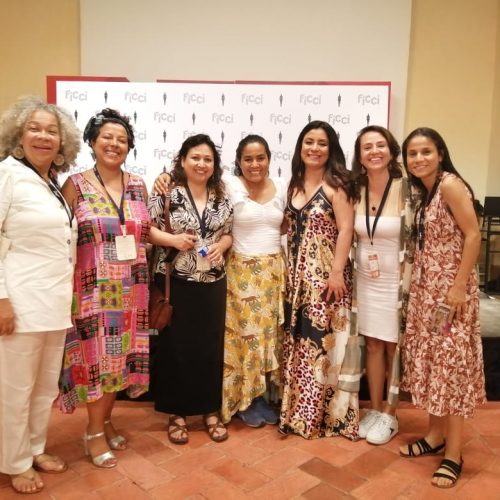
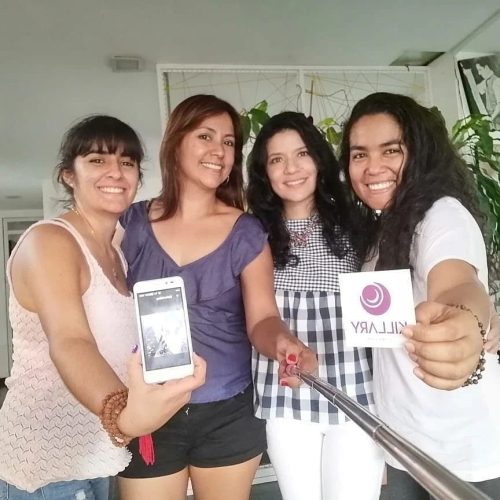
In one of those self-knowledge workshops, I was asked a simple question: “What would you do if you had unlimited time and money?”
I answered without thinking: “I would create a space for women, so that what happened to me doesn’t happen to them, so that they have a safe place to create.”
And so, from that clarity, Killary CineLab was born.
I envisioned it as an ecosystem of creation, research, and promotion of women’s cinema. A space where female filmmakers can think, narrate, and build together. Killary is for sharing creative processes and cultivating projects. A place to see ourselves and recognize each other mutually
I sought its name in another language and found in Quechua the word killary, which means “light of the moon at dawn,” and for me this was a great metaphor—the creative process of women needs to flow and connect with what is deepest to emerge at dawn and become light.
From then on, I assumed myself as a feminist filmmaker
I understood that we owed much to the feminist movements that fought for the opportunities I have today—to study, to decide over my body, to have economic independence. That my mission was to honour those legacies and from my commitment to cinema, to continue contributing to understanding that if women are not equal, if we don’t reclaim our place of enunciation, if we are not there, the world loses an important part of the story.
DEVELOPMENT OF Killary CineLab
Since then, several years have passed and Killary has continued to grow. We conducted the first, and to date the only, study of gender gaps in Colombian cinema, and I am about to deliver two more—one on gaps in festivals and another that updates the first.
We have also developed laboratories and workshops like Rompe el Cristal (Break the Glass), Desafío G (Challenge G), and El viaje de la herona (The Hero’s Journey), which combine creative processes with training in gender perspective.
Each meeting has been a confirmation of something I already intuited—that when a woman feels safe, she creates from another place.
Killary is not just a training space, it is a community. There women from cinema meet, accompany each other, share knowledge, doubts, achievements. It is a symbolic territory where art intersects with life, and where learning is collective.
Because for me, more than a school, Killary is a . A place where we research, reflect, and teach from shared wisdom.
Education with a gender perspective is part of that heart. It allows us to understand how narratives reproduce stereotypes and how language reproduces violence systematically. What we consume shapes what we think, and that’s why it’s important to learn to look critically, both at what we see and at what we do.
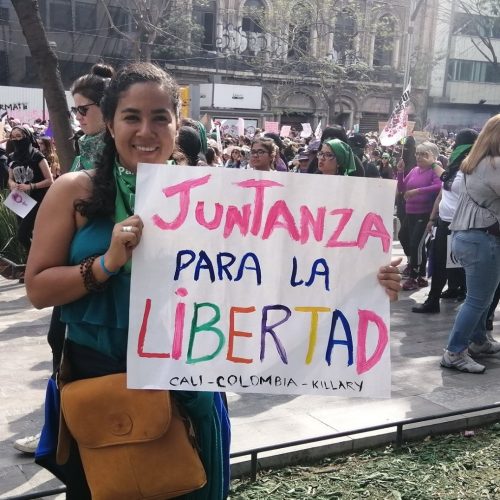
Killary CineLab continues to grow.
Killary CineLab continues to grow. Today it is a network of women who research, create, teach, and make visible what female filmmakers do. And each time I see one of them direct her first short, present her film, lead a team, I confirm that yes, we can, and we do it with all the power and creative force we have. That space that began as an intuition has become a refuge for many.
THE Cinemateca OF MY LOVES
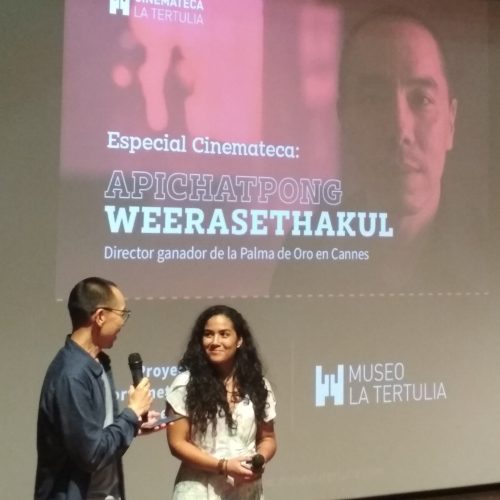
In recent years—seven years—I began to move toward other spaces of cinema like and exhibition. I spent five years directing the Cinemateca of La Tertulia Museum, a place that allowed me to see the complete forest and that has been the center of cinephilia in the city for 50 years.
I learned about programming, about thinking the relationship between cinema and audiences, about the cinema business in full. And I liked that idea of transitioning from creation to mediation—helping films find their way to people.
It was also a time to see what is happening in Colombian cinema—the new searches, the themes that go through us, the voices that are emerging.
When you produce, you walk with your film under your arm, caring for every detail. But in a Cinemateca all films arrive, all gazes, all ways of making. There I understood much about how cinema circulates, how stories dialogue, how languages and creators’ questions intersect.
My place at the Cali Film Festival
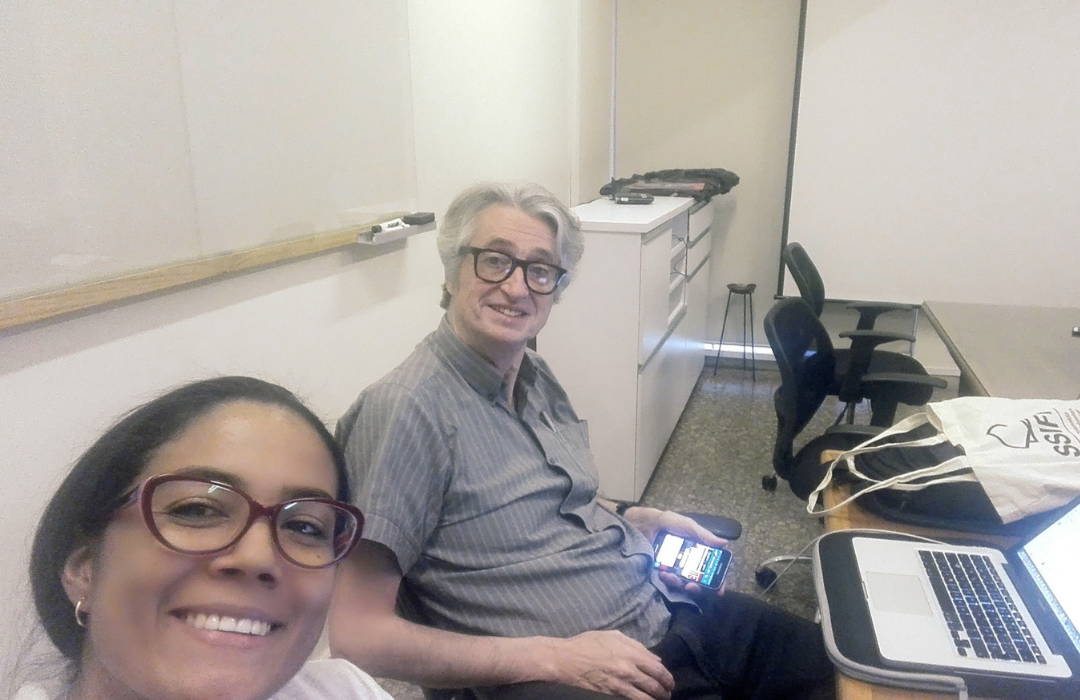
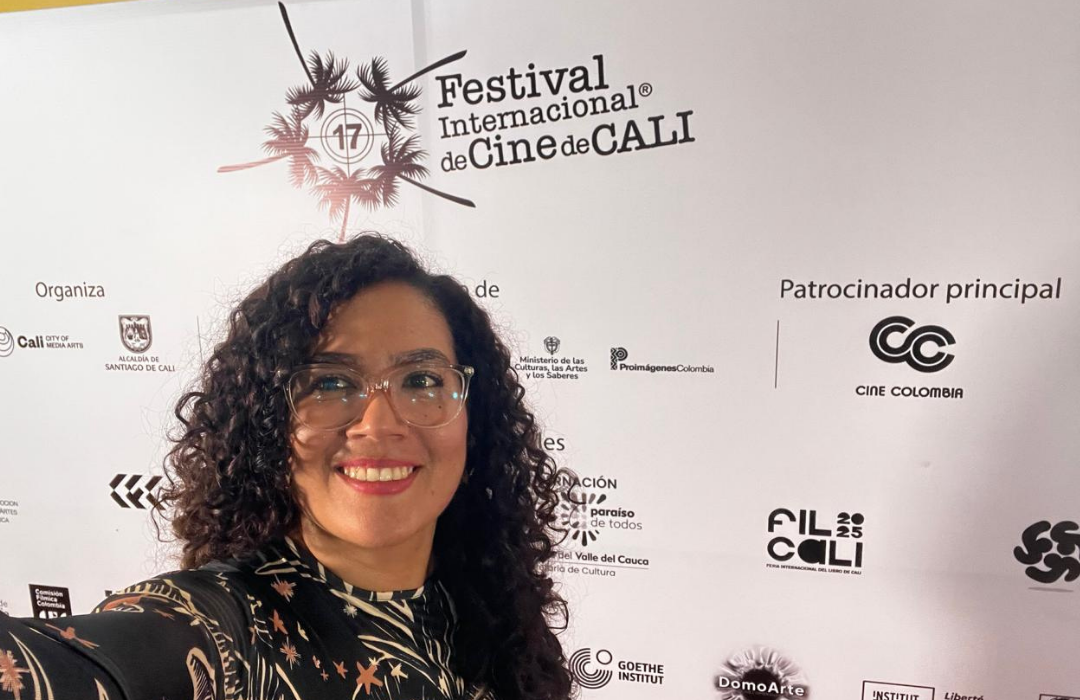
Almost in parallel, I joined the team of the International Film Festival of Cali. I started as assistant to the director alongside Luis Ospina, one of the most important filmmakers in the country, and working with him was an enormous privilege.
Luis had a genuine way of seeing cinema—free, irreverent, daring. From him I learned that cinema creates communities.
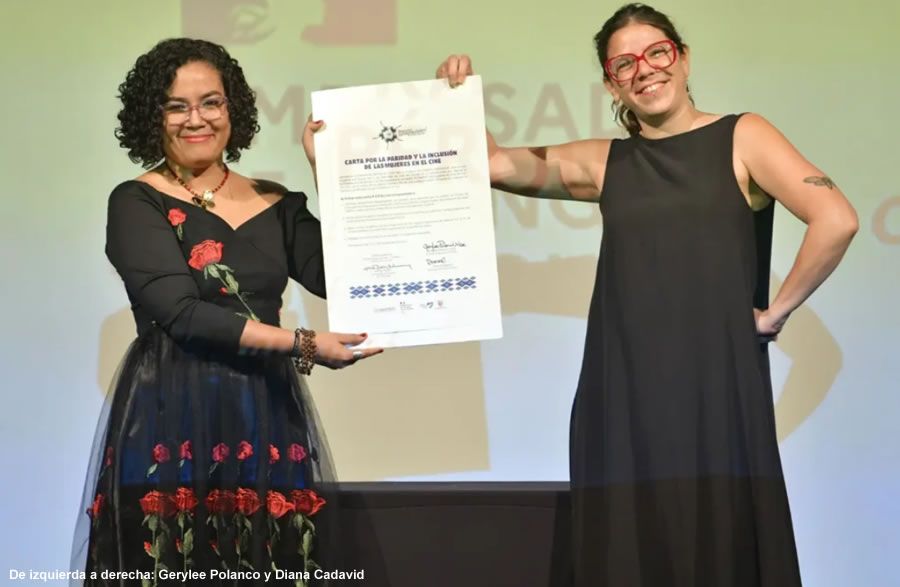
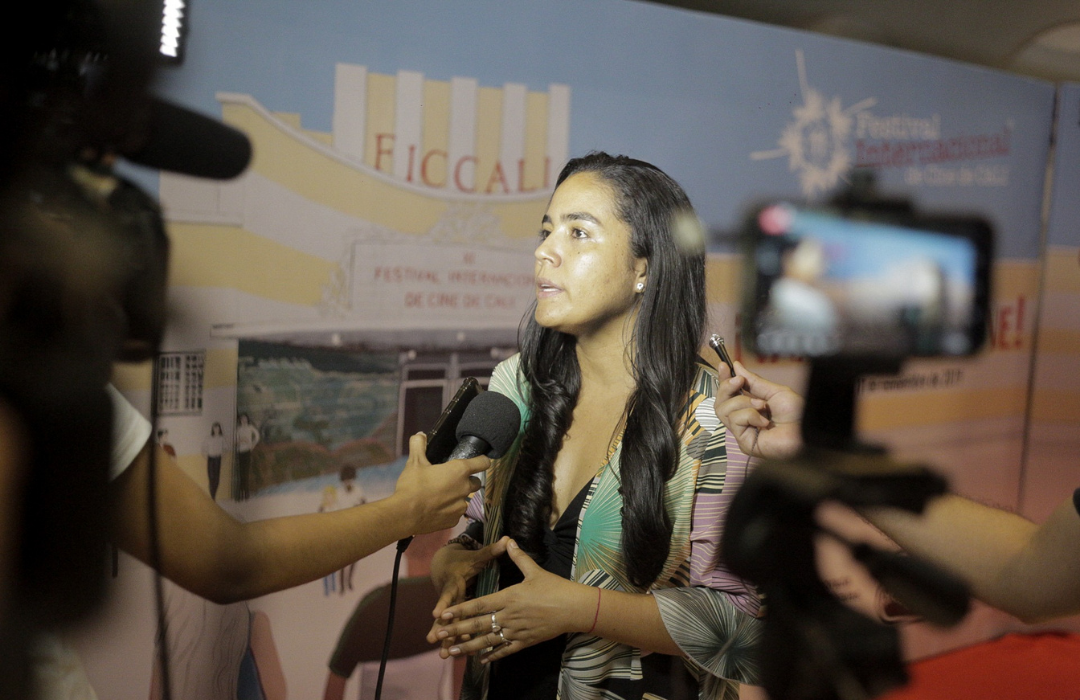
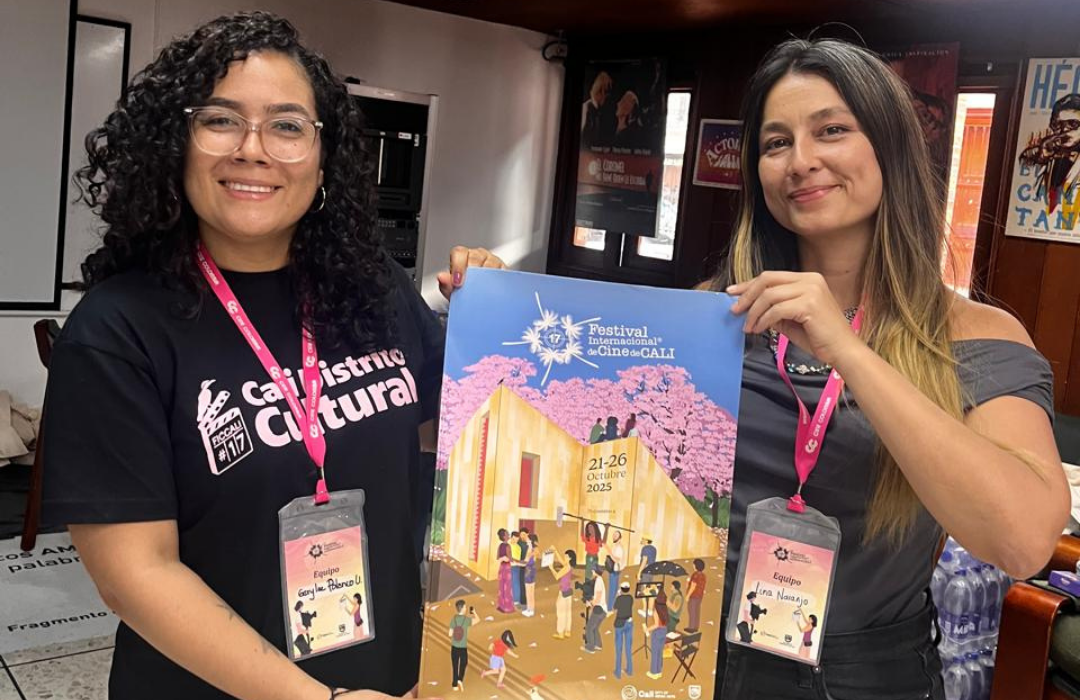
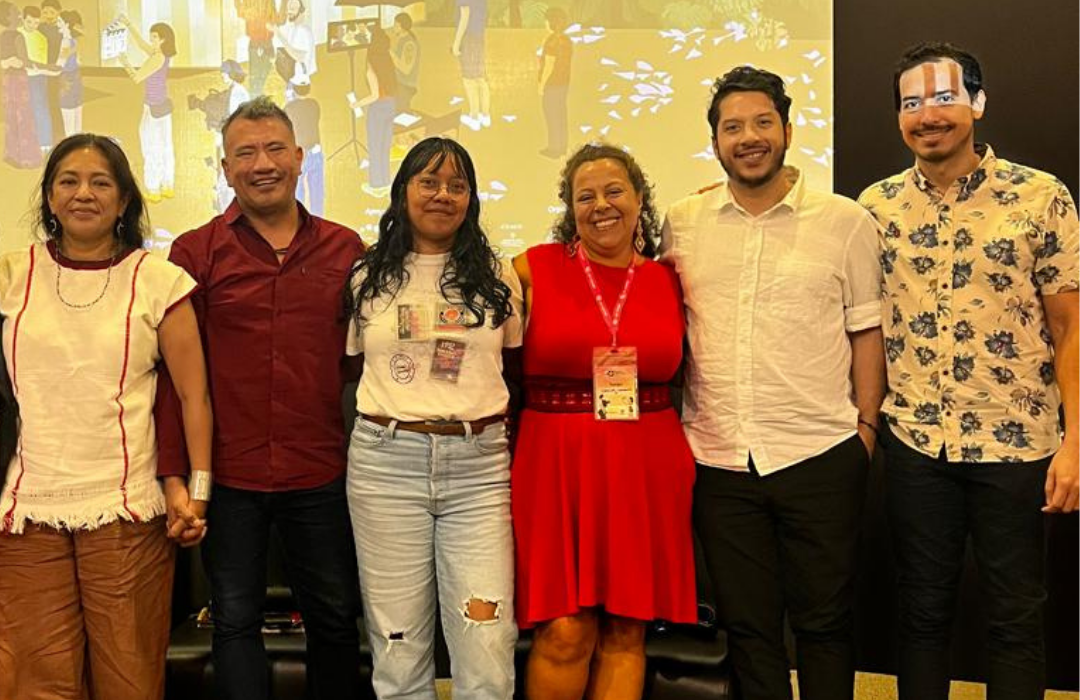
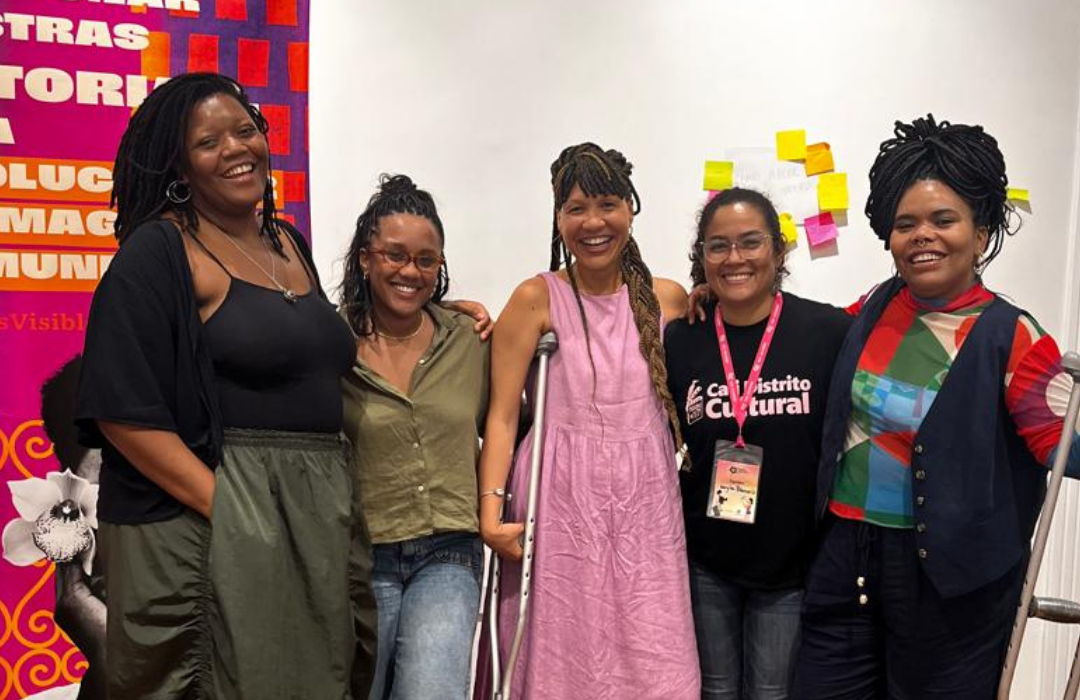
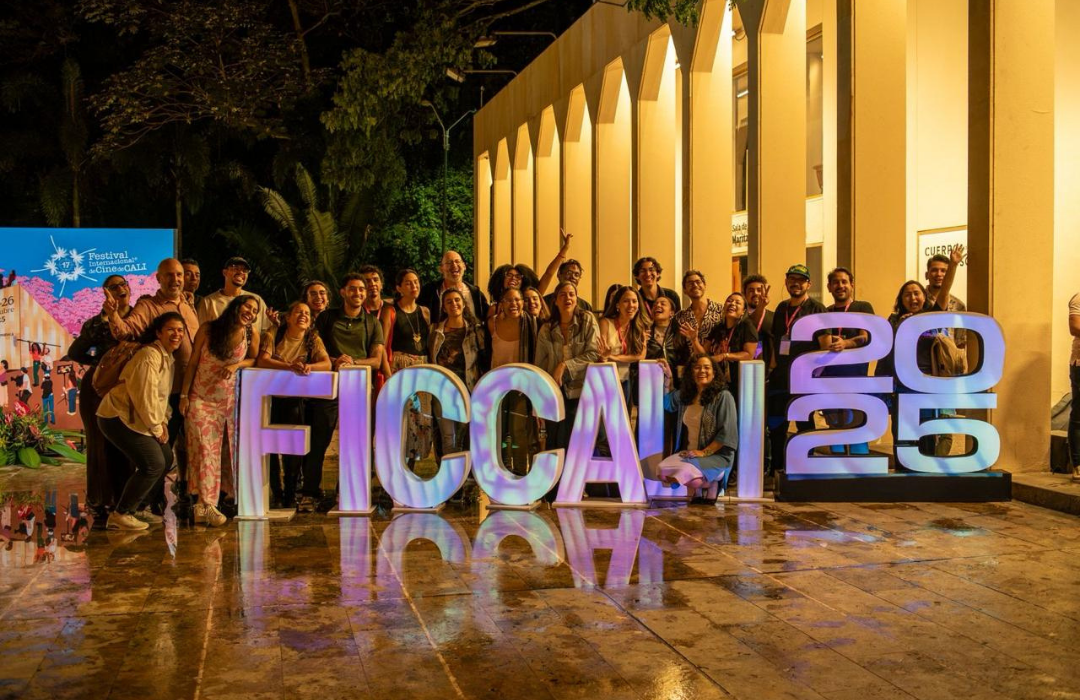
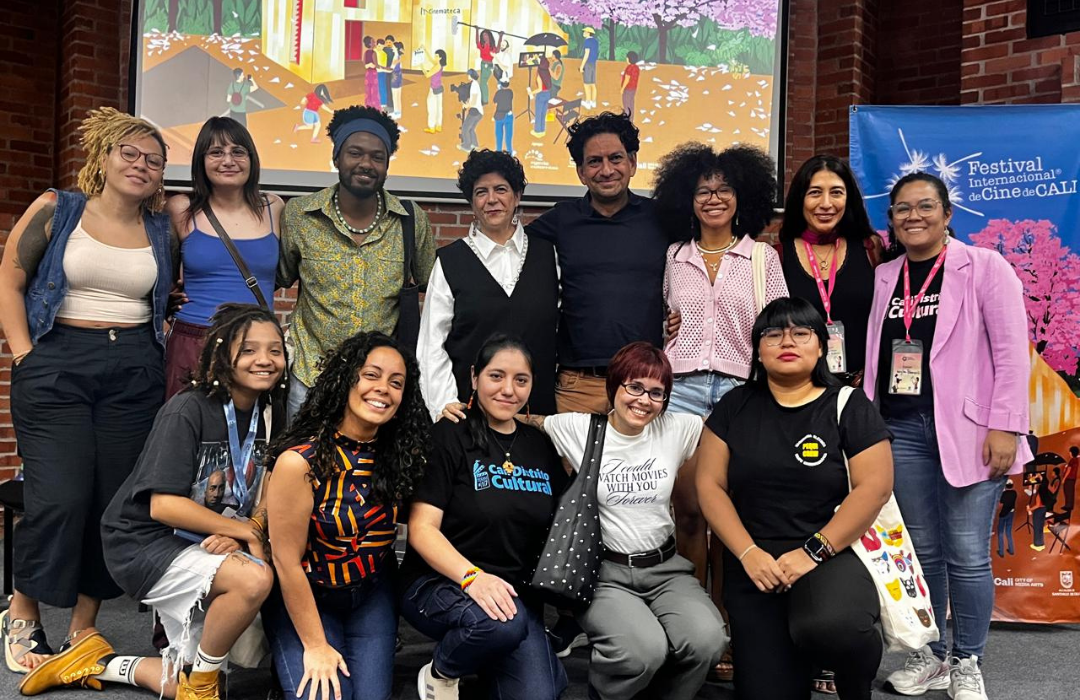
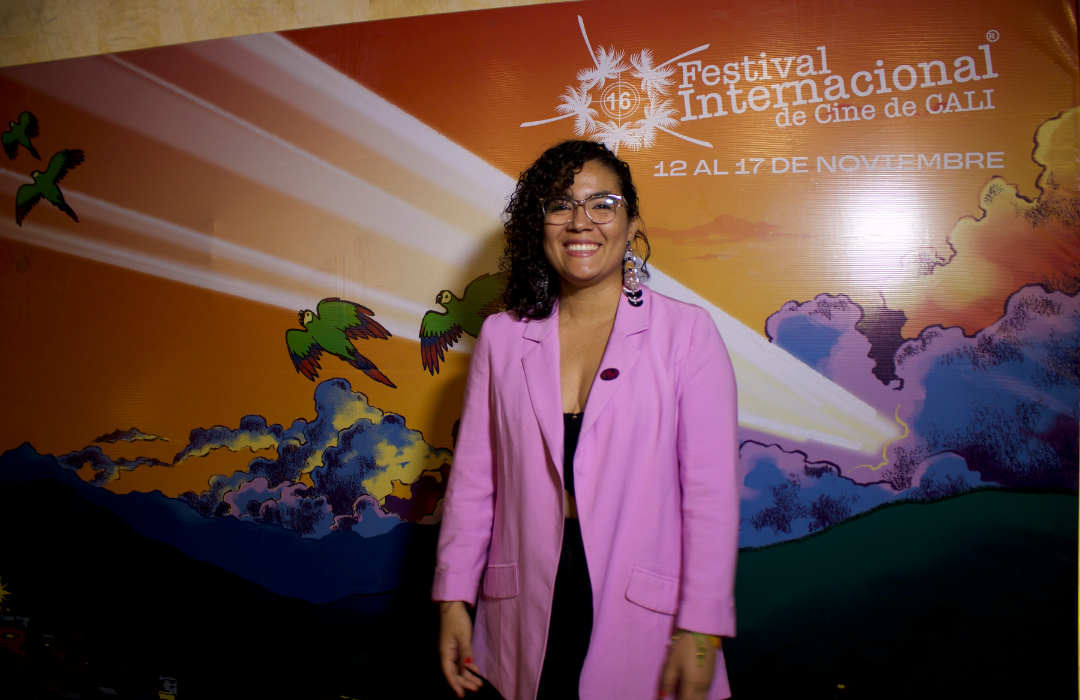
At the Festival I have been until taking on the executive director role, a position I have held for three years. It has been a process of growth and great responsibility, because directing a festival is not just coordinating programming, it is sustaining a city commitment from the public—because FICCALI is an event of the Office of Culture of the Municipality of Cali.
We have strengthened alliances, managed public and private support, and achieved that the festival remains as one of the second largest in the country.
After the pandemic, audiences returned little by little. We went from six thousand to seven thousand attendees, then to almost eight thousand, and this year we reached ten thousand. That growth is not just a number, it is proof that people continue to seek cinema as a space for encounter.
I like to think that the festival not only exhibits films—it also educates, connects, provokes encounters. Each year we seek that the academic programming is solid, with guests who inspire, with themes that question and open questions.
I am interested that FICCALI be a place where cinema is thought, celebrated, and defended.
For me, both the Cinemateca and the Festival have been spaces of learning and service. They remind me that cinema does not exist only in shoots or on screens, but also in the conversations it leaves, in the bonds it creates, in the way a gaze transforms.
MY PRODUCTION COMPANY Ojo Agua Cine
After closing my cycle at Contravía, I felt the need to build a new place from which to produce. Something more intimate, more connected to the questions of that moment. That’s how OjoAgua Cine was born, my production house.
I founded it a couple of years after leaving Contravía, when I made the film María de los Esteros (Maria of the Marshes) and understood that I needed my own space to continue exploring cinema.
From OjoAgua I have produced and directed several films that have been very meaningful to me. Among them are the documentaries En Tránsito (In Transit) and La Marcha del Hambre (The March of Hunger).
En Tránsito tells the story of a couple going through a limit situation—illness, cancer, farewell. It is a film about fragility, about love when the body begins to give way. A way of elaborating illness and death from intimacy.
La Marcha del Hambre reconstructs a forgotten fact in the history of Colombia—the epic walk of teachers from Santa Marta to Bogotá to demand better working conditions and dignified public education. That film was, and continues to be, an act of memory.
Now I am in production of two feature films: Una Mujer Rota (A Broken Woman), by Libia Estela Gómez, a director I greatly admire, and El Nido de las Alas (The Nest of Wings), my next film.
Una Mujer Rota is a story about gender-based violence, told from the intimacy and strength of women who rebuild their lives. It is a film with a 100% female crew, and that makes it profoundly coherent with what we believe and defend.
El Nido de las Alas, on the other hand, is a more symbolic story—three intertwined narratives—one about abortion, another about illness, and another about old age—that speak to the body as territory, of freedom and solitude. It is a very personal project.
I also produce the documentary film Memorias Perdidas y Encontradas (Lost and Found Memories) by Josephine Landertinger about the relationship of identity with migration.
In addition to these feature films, OjoAgua develops several short films and creative accompaniment processes. It is a production company that works at its own pace and with conviction of the need to tell the stories we want to tell.